A business stays in control when responsibilities, documentation and authorised access remain usable without its usual IT contact. That takes a prepared process, clear priorities and a tested way for someone else to take over.
Your external IT contact unexpectedly becomes unavailable for an extended period. The servers are running and email still arrives, but an essential change is approaching. Who can appoint another specialist? Where is the current documentation? Can an administrator account be used without relying on the previous contact’s personal phone? These are questions for management as well as IT.
Start with the business process
Begin by identifying the work that must continue. Taking orders, dispatching goods, recording services and completing required billing each depend on particular applications, data and people. Their priority follows from the business impact of an interruption.
For the most important processes, record how long reduced service is tolerable and whether a limited temporary workaround could help. This establishes requirements for availability, recovery and decision-making authority. A second server on its own does not settle those organisational questions.
An interruption without a server failure
Consider a hypothetical business using an order-management application, cloud email and an external backup service. Its usual IT contact becomes unavailable. Day-to-day work initially continues, but an approaching maintenance task exposes gaps in approvals, contract information and documented access rights.
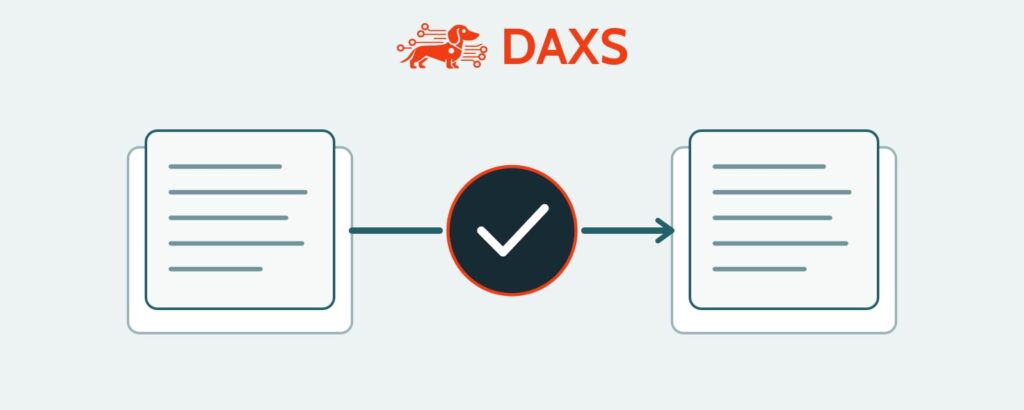
With a prepared handover, a named person can activate the agreed process. A properly appointed replacement receives the necessary information and checks the current state of the systems. Without that preparation, responsibilities, records and permissions first have to be established. How quickly technical work can then begin depends on the environment.

Four foundations for an orderly handover
- Someone authorised to make decisions: The business identifies who may commission work, approve access and set operational priorities. A deputy and a usable communication channel are part of the arrangement.
- Understandable operational documentation: System purposes, responsibilities, dependencies, suppliers and essential operating procedures are accessible. An incoming specialist can work out which services depend on one another.
- Controlled access: Permissions, identity checks and emergency procedures are defined. Secrets remain protected; the general continuity plan points to the appropriate secure procedure.
- A verifiable scope of work: The parties agree the tasks, data-protection requirements, approvals and acceptance criteria. Incoming support starts with a clear mandate and records its actions.
These foundations apply to internal IT teams and external providers alike. A personally led relationship can offer clear accountability. For an interruption, the additional question is whether an authorised third party can actually work with the available records and procedures.
The first 24 to 48 hours as a planning example
The following sequence helps structure preparation. Actual times depend on the condition of the environment, documentation, available specialists, contractual arrangements and approvals.
- Establish the situation and decision-maker: Which services are missing, which systems still work and who is in charge? Record the known state and the measures already agreed.
- Organise communication: Appoint a coordinator. Where necessary, use an agreed contact channel that remains available independently of the affected email or phone system.
- Check records and authority: Review the supplier list, contracts and operational documentation. Establish who is entitled to initiate recovery or supplier-support procedures.
- Prioritise by operational impact: Take account of services that are still functioning. Urgent faults, essential maintenance and changes that can wait receive different priorities.
- Confirm results with the business: Test a relevant process from a user’s perspective and record changes and unresolved dependencies. Agree who will make the next decision.
If this assessment indicates a possible security incident, it needs an appropriate incident-response process. An unavailable contact initially describes an organisational situation; the technical assessment follows the facts found.
Documentation must survive the interruption
The continuity plan should remain accessible when the usual login or communication service is unavailable. A protected independent access route and a securely held short version can provide contacts, priorities and references to the required records.
Keep that overview separate from secrets. Credentials, recovery codes and keys need suitable protection and release procedures. An openly accessible password file would introduce further risk. For encrypted backups, it must also be clear how authorised people can obtain the information needed for recovery.
A documented backup becomes dependable through an actual recovery test. See Checking backups: recovery demonstrates their value. The information about DAXS documentation complements the overview of roles and working arrangements.
A handover exercise reveals the gaps
Walk through the process with an authorised person who does not know every technical detail by heart. Can they find the documentation, reach the right contacts, start the intended access procedure and describe the most important business process?
An agreed walkthrough without changes to production is a useful starting point. Technical recovery tests are planned separately and carried out under controlled conditions. The findings become a practical task list: missing permissions, an unclear contract, an unavailable key or an outdated procedure.
Repeat the exercise after significant changes and at intervals appropriate to the risk. The plan stays usable when new suppliers, applications and responsible people are recorded promptly.
What DAXS helps you prepare
DAXS helps organise critical processes, technical dependencies and existing documentation with you. This can form the basis of a manageable continuity plan, controlled access and testable handover steps. Responsibilities, cover arrangements, availability windows and any specialist support are agreed for the particular assignment.
Three questions provide a practical starting point: who decides when the usual contact is unavailable, which work must continue first, and can a properly appointed specialist take over using today’s records? Discuss handover readiness and continuity planning with DAXS.
Sources: BSI: business continuity management and time-critical processes · NCSC: supplier responsibilities, continuity and exit arrangements · Canadian Centre for Cyber Security: IT recovery planning